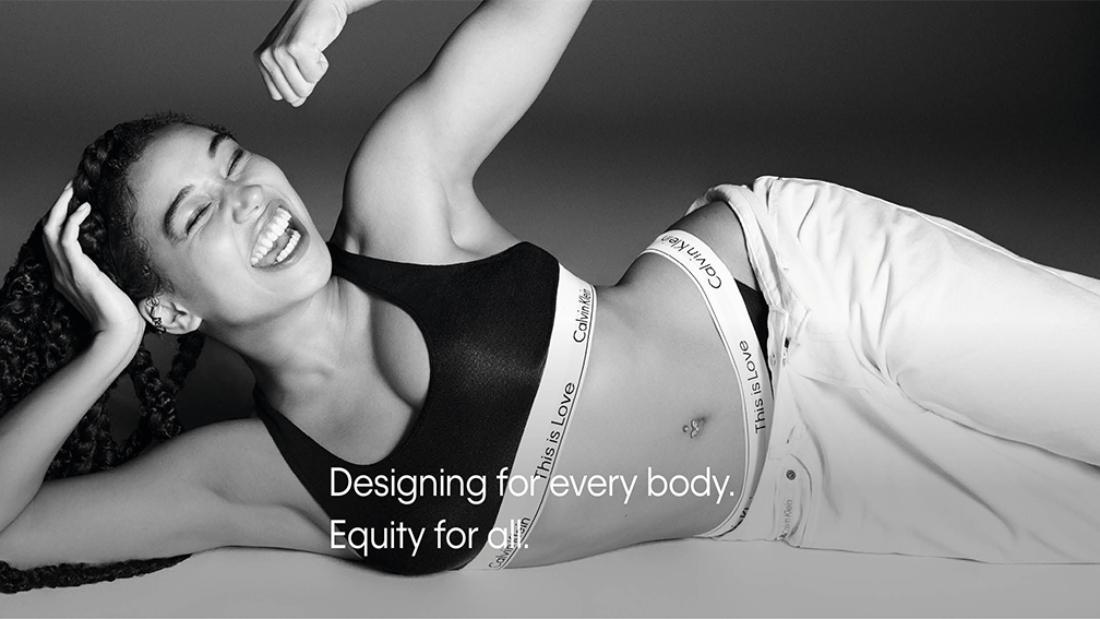
Calvin Klein is an iconic American brand. Unfortunately, it still doesn’t do enough for people, the planet, and animals, and has received an overall rating of “Not Good Enough,” dropping it from our mediocre “It’s a Start” rating to our second-lowest rating. Read on to learn more about the details of Calvin Klein’s rating.
This article is based on the Calvin Klein rating published in February 2024 and may not reflect the claims the brand has made since then. Our rating analysts are constantly re-evaluating the thousands of brands you can find in our directory.
Calvin Klein's ethics aren't as clear and clean as its boxer briefs
Calvin Klein was founded by its namesake in 1968 with a line of sophisticated women’s clothing, and later expanded its offerings to include jeans, men’s clothing, fragrances, jewelry, and more. Before the brand created its iconic underwear, it was best loved for its logo-printed denim and jersey items, and is often credited with pioneering the minimalist design that defined the 1990s. Although the brand has brought in big-name fashion designers to lead its creative careers in recent years, much of Calvin Klein’s success over the past two decades has come from licensing deals for its various product lines, particularly perfumes.
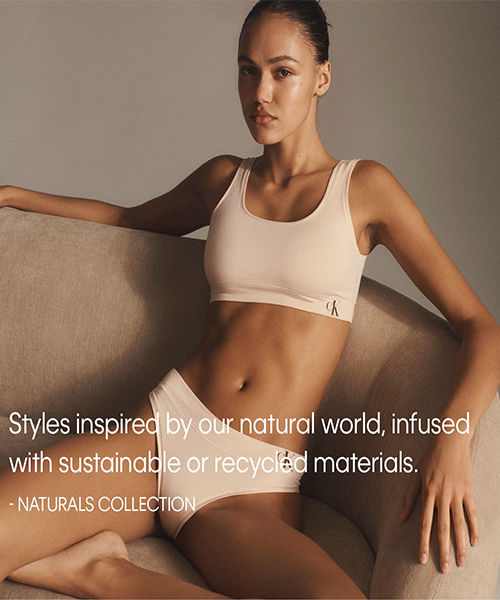
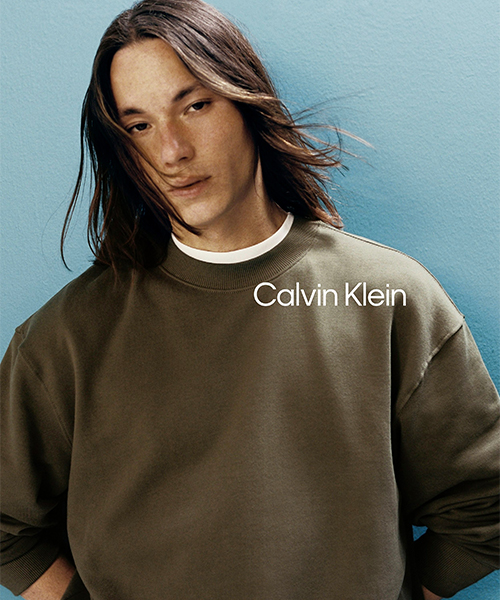
Today, Calvin Klein is owned by PVH (which is also the parent company of Tommy Hilfiger) and is considered an iconic, all-American brand with 2022 revenues of $9.3 billion. It is known for its coveted logo-detailed underwear, jeans, and highly influential—sometimes controversial—advertising (it recently made a splash online with its campaign featuring The Bear’s Jeremy Allen White). In fact, its marketing campaigns have regularly caused controversy over the years. Otherwise, the brand’s sustainability credentials aren’t looking so good, with its rating dropping from “It’s a start” – a sign of progress – to “Not good enough” in our recent test.
So we had to know: What impact does Calvin Klein – one of the most recognized brands in the United States, if not the world – have on people, the planet and animals? If we care about the planet and all its inhabitants, should we shop at Calvin Klein or look for alternatives? Let’s find out once and for all: How ethical is Calvin Klein?
Environmental impact
Calvin Klein is rated “Not good enough” for the planet. First, the good news: The company uses some less environmentally damaging materials in its line, including organic cotton. The company has set a science-based goal to reduce greenhouse gas emissions from both its direct operations and supply chain.
And the not-so-good news? Unfortunately, while a climate target is great, there is no evidence that the brand is on track to meet that goal, nor does it appear to be minimizing textile waste when making its products or taking steps to protect biodiversity in its supply chain.
Working Conditions
Calvin Klein is not making enough progress in improving working conditions, and its score here has dropped from “It’s a start” to “Not good enough.”
Parts of its supply chain are certified to labor standards that help ensure worker health and safety, living wages, and other rights, and it received a score of 41-50% on the Fashion Transparency Index (a lower score compared to previous years), and the brand’s parent company, PVH, has signed the International Accord, which advocates for workplace safety in the apparel industry.
Although the brand claims to have a wage improvement program, there is no evidence that it pays its workers a living wage in most parts of its supply chain or that it supports diversity and inclusion in its supply chain.
Calvin Klein has also been linked to sourcing cotton from China’s Xinjiang region, where there is a risk of using Uyghur forced labor. Although the company claims to have not taken sufficient action to remedy the situation, as recently as December 2023 there were reports that the brand may have inadvertently sourced from the region through subsidiaries. You can do more for the people, CK.
Animal Welfare
Calvin Klein is simply “not good enough” for the animals. Although the company has a formal animal welfare policy aligned to the five domains and traces some animal products back to the first stage of production, it still uses leather, wool (some of which is certified under the Responsible Wool Standard), down (some of which is also certified under the Responsible Down Standard), lambskin, silk and exotic animal hair.
The brand does not appear to use fur, angora or exotic animal skins in its designs.
There are so many cruelty-free alternatives, so it’s so easy to improve the score here by avoiding animal-derived fabrics.
Overall Rating: "Not Good Enough"
Overall, we rated Calvin Klein “not good enough” based on our own research. In this most recent rating, it falls from our mediocre “It’s a start” rating. The brand had already made a start for people and the planet when we last reviewed it, but it still needs to address its waste and emissions issues and at least ensure the payment of a living wage throughout its supply chain. It should also work to remove animal-derived substances from its products and opt for less environmentally damaging, cruelty-free alternatives.
Rick Relinger, PVH’s Chief Sustainability Officer, said in its most recent Sustainability Report (2022): “Ultimately, actions speak louder than words, so we remain committed to transparency and continue to improve our ability to report more and more data on our impacts.” However, this is not consistent with the decline in Calvin Klein’s “Good On You” rating since its last review, nor does it fit with the brand’s reduced transparency or lack of evidence about whether it is on track to meet its environmental goals. In 1980, Brooke Shields controversially asked, “Do you want to know what stands between me and my Calvins?” Nothing.” But in 2024, the answer should be “ethics.”
Note that Good On You ratings take hundreds of aspects into account and it is not possible to list all relevant aspects in a summary of the brand’s performance. For more information, see our How We Rate page and our FAQs.
Good Alternatives
“Good” and “Great” alternatives to Calvin Klein
People wearing Asket tops, sweaters, jackets, pants and accessories.
ASKET has been creating timeless wardrobe essentials with revolutionary sizing and fair prices since 2015. The brand ignores seasonal collections, cuts out all middlemen and only sells directly to you – focusing entirely on building a single permanent collection.
Find the range in sizes 2XS-2XL.
Someone in underwear from the more responsible French brand Bluebuck.
Bluebuck is a French menswear label with a playful, adventurous spirit born from a love of nature. The label specializes in technical menswear basics and durable swimwear. The brand produces locally to minimize the brand’s environmental impact and uses better materials like GOTS-certified cotton and recycled ocean plastic.
Most items are available in sizes XS-2XL.
People wrapped up in FM 669 tops.
FM 669 is a US brand that offers clothing made from domestically-sourced cotton, including t-shirts, tank tops and long-sleeved shirts. It proudly sources its GOTS-certified cotton from a group of Texas farms that use regenerative methods and uses more environmentally responsible dyes in its limited production runs. Its designs are effortlessly wearable and feature a relaxed, casual aesthetic in gender-neutral pieces.
SeamsFriendly
People wearing SeamsFriendly clothing. Deals
Models in dresses
SeamsFriendly – Sitewide
Handmade clothing for women, men and children. All pieces are customizable and made to measure at no additional cost. Exclusive 15% off with code SF-GY15 (Sale items excluded.) (Ends: FEBRUARY 12)
Shop Now
SeamsFriendly creates beautiful, tailored pieces for all body types. Its designs focus on function and utility and use less environmentally harmful materials like organic cotton and linen. Additionally, shoppers can customize the brand’s designs exactly to their liking – changing neckline, depth, sleeve length, dress length, fabric and more on all garments in its range.
The brand’s product sizes are customizable (chest Girth: 66-178cm, Waist: 48-160cm, including petite, regular and tall) so you can always find the perfect fit. A kids’ range (chest: 46-71cm, waist: 48-66cm) is also available.
funky green ethical boxer shorts by A-dam on a muscular shirtless man wearing a tiger mask
A-dam is a fresh brand with character. It uses a high percentage of more environmentally sustainable materials such as GOTS certified cotton and limits the amount of chemicals, water and wastewater used in production.
Find the range in sizes S-2XL.
Artknit Studios creates timeless knitwear from 100% more environmentally sustainable materials, responsibly produced by Italian manufacturers. Its partners are committed to waste-free practices and only use certified and locally sourced fibres, true to the brand motto ‘buy less, buy better’.
Find items in sizes XS-XXL.
White compostable organic cotton men’s briefs by KENT.
KENT is a US-based brand that creates timeless organic underwear, ensuring a quality fit and feel no matter what. It produces the first certified compostable organic cotton underwear, designed to return to nature after 90 days when composted or planted, nourishing the soil and growing new plants (or future pants).
Most pants are available in sizes XS-3XL.
Conclusion
While Calvin Klein remains a globally recognized fashion brand, its efforts to create ethical and sustainable products leave much to be desired. Despite some progress, such as using organic cotton and setting climate goals, the brand falls short in key areas such as working conditions, environmental impact and animal welfare. The lack of transparency around wages and its potential links to forced labor raise serious concerns. In addition, Calvin Klein’s continued use of animal-derived materials prevents the company from being a truly cruelty-free brand.
For those looking for more ethical alternatives, brands like ASKET, Bluebuck and FM 669 offer sustainable, responsibly produced fashion. As consumers become more aware of the impact of their purchases, Calvin Klein needs to take more decisive action to improve its ethical standards. Until then, shoppers looking for sustainable and humane fashion may want to explore other options.
Add a Comment