

When it comes to weight-loss programs, few names enjoy as much recognition as Weight Watchers, now renamed WW. Over the years, this program has become synonymous with a balanced approach to weight management that focuses on sustainable lifestyle changes rather than extreme diets. With millions of success stories and endorsements from celebrities like Oprah Winfrey, WW has earned a reputation for helping people lose weight and live a healthier lifestyle. But is it really worth the hype, or is it just another diet trend? Let’s take a closer look at what makes Weight Watchers so unique and whether it’s the right choice for you.
How Weight Watchers Works
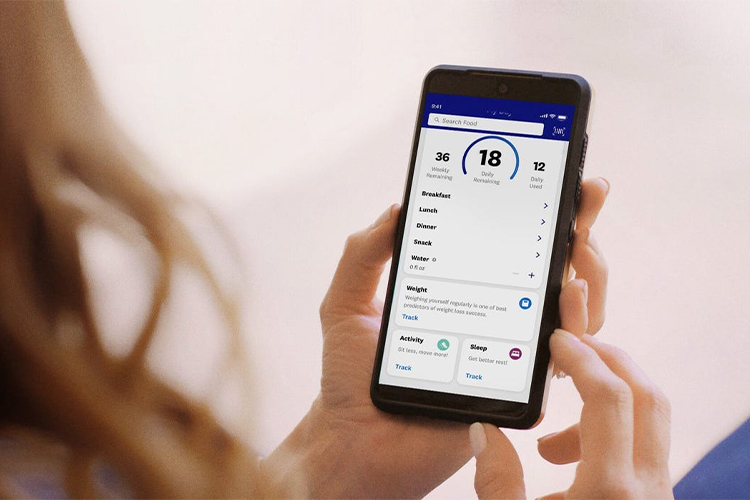
At its core, Weight Watchers is based on a personalized points system that guides members toward healthier eating habits. Unlike traditional calorie counting, WW assigns SmartPoints to foods based on their calorie, sugar, protein, and saturated fat content. Members receive a daily and weekly points budget to help them plan their meals and snacks. The program also includes a list of ZeroPoint foods—nutritious options like fruits, vegetables, lean proteins, and legumes that can be eaten without counting points.
This approach promotes a balanced diet while offering flexibility. Whether you prefer to cook at home, eat out, or indulge occasionally, Weight Watchers allows you to stick to your plan without having to sacrifice anything.

The program isn’t just about nutrition, though. WW emphasizes holistic wellness by incorporating fitness, mental health, and sleep tracking. Members receive access to the WW app, which offers meal planning tools, activity tracking, guided meditations, and a supportive community.
Customization and Flexibility
A unique feature of Weight Watchers is its customization. Unlike one-size-fits-all diets, WW tailors the program to individual needs. During registration, you’ll answer questions about your weight loss goals, food preferences, and lifestyle. Based on your answers, you’ll be assigned a personalized points budget and a ZeroPoint food list.
This flexibility makes WW accessible to people with diverse dietary preferences, including vegetarians, vegans, and those following a gluten-free or lactose-free diet. Whether you enjoy cooking from scratch or relying on ready-made meals, you can customize your approach and still achieve results.
The WW Community
Support plays a crucial role in any weight loss journey, and Weight Watchers places great emphasis on fostering a sense of community. Members can connect through the WW app and share tips, recipes, and motivational stories. For those who value personal interaction, WW offers group workshops led by coaches who have successfully completed the program themselves. These workshops provide accountability, encouragement, and practical tips for overcoming challenges.
The cohesiveness within the WW community is often cited as one of the most valuable aspects of the program. Losing weight can be a daunting process, but a support network can make all the difference.
Results and Success Stories
Many people choose Weight Watchers because of its proven track record. Unlike crash diets, which promise rapid weight loss but often lead to a yo-yo effect, WW focuses on gradual, sustainable progress. Studies have shown that Weight Watchers participants lose more weight than those who follow self-directed weight loss plans. The program’s focus on behavior change, personal accountability, and long-term maintenance helps participants not only lose weight but also keep it off.
Real-life success stories demonstrate the program’s impact. From people who have lost hundreds of pounds to those who have made smaller but equally significant changes, WW has helped countless people improve their health and self-confidence.
The Role of Technology
In the digital age, Weight Watchers relies on technology to enhance the user experience. The WW app is a powerful tool with meal tracking, workout videos, sleep tracking, guided meditations, and much more. Users can scan barcodes to quickly log food, track their progress with weight and activity charts, and access a library of healthy recipes.
The app also offers a rewards system called “WellnessWins,” which allows users to earn points for healthy behaviors such as meal tracking, workshop participation, and increased activity levels. These points can be redeemed for rewards and provide additional motivation.
Pros and Cons
Like any weight loss program, Weight Watchers has its pros and cons. On the positive side, the flexibility, customization, and focus on overall well-being make the program appealing to many people. The point system is easy to understand, and the ZeroPoint food list simplifies meal planning. The supportive community and evidence-based approach set WW apart from fad diets.

However, there are also some drawbacks. WW requires consistent tracking, which some users may find tedious. While the program offers flexibility, it may not be suitable for those looking to lose weight quickly or who struggle with portion control. The membership fee, which varies depending on the plan, can also be a barrier for some.
Is Weight Watchers worth it?
Whether Weight Watchers is worth it ultimately depends on your goals, preferences, and lifestyle. If you’re looking for a sustainable, balanced approach to weight loss that focuses on long-term habits rather than quick fixes, WW is a great choice. The program’s focus on flexibility, community, and overall well-being makes it a comprehensive choice for anyone seeking a healthier lifestyle.
As with any program, however, success ultimately depends on your commitment and willingness to make lasting changes. Weight Watchers provides you with the tools, guidance, and support you need, but the implementation is up to you. If you’re ready to lose weight gradually and sustainably and improve your well-being, Weight Watchers could be the key to achieving your goals and improving your health.
Add a Comment